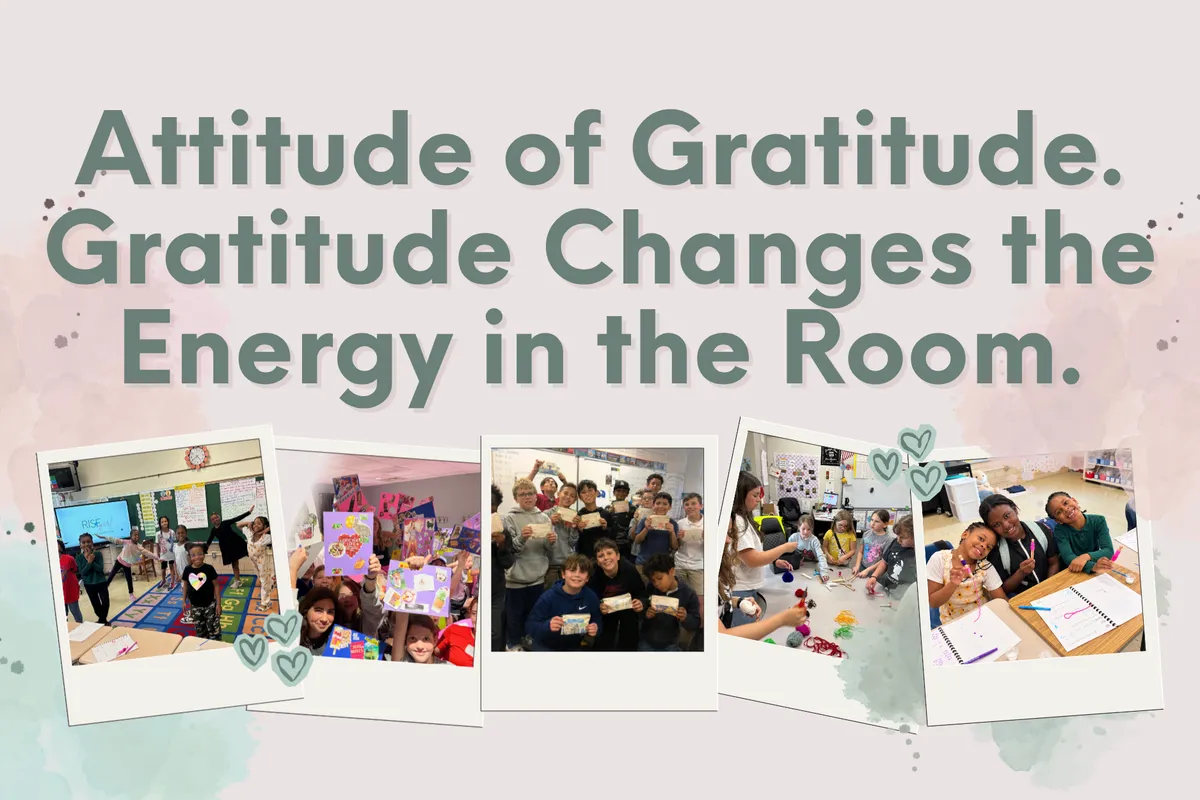
Gratitude in the Classroom: A 5-Minute Reset for Students
Gratitude isn't about pretending everything is wonderful.
I love gratitude. I practice it intentionally every single day, and at this point, I think people probably assume it's simply part of my personality.
But it's something I've worked on.
When I'm frustrated or caught up in something that isn't going well, I can usually recognize that I need to shift my perspective. Sometimes that means finding one small thing to appreciate.
It doesn't change whatever I'm dealing with.
And it doesn't mean I'm suddenly thrilled about the situation.
Sometimes it simply helps me feel a little calmer, more grounded, and better able to decide what to do next.
I think that's an important distinction, especially when we're teaching students.
We don't need kids to be happy all the time. We don't need them to find the silver lining in every difficult experience.
We can teach them that it's possible to have a hard day and still notice something good.
Sometimes gratitude doesn't move us all the way to happiness. It just helps us return to a more neutral place. And that can be enough.
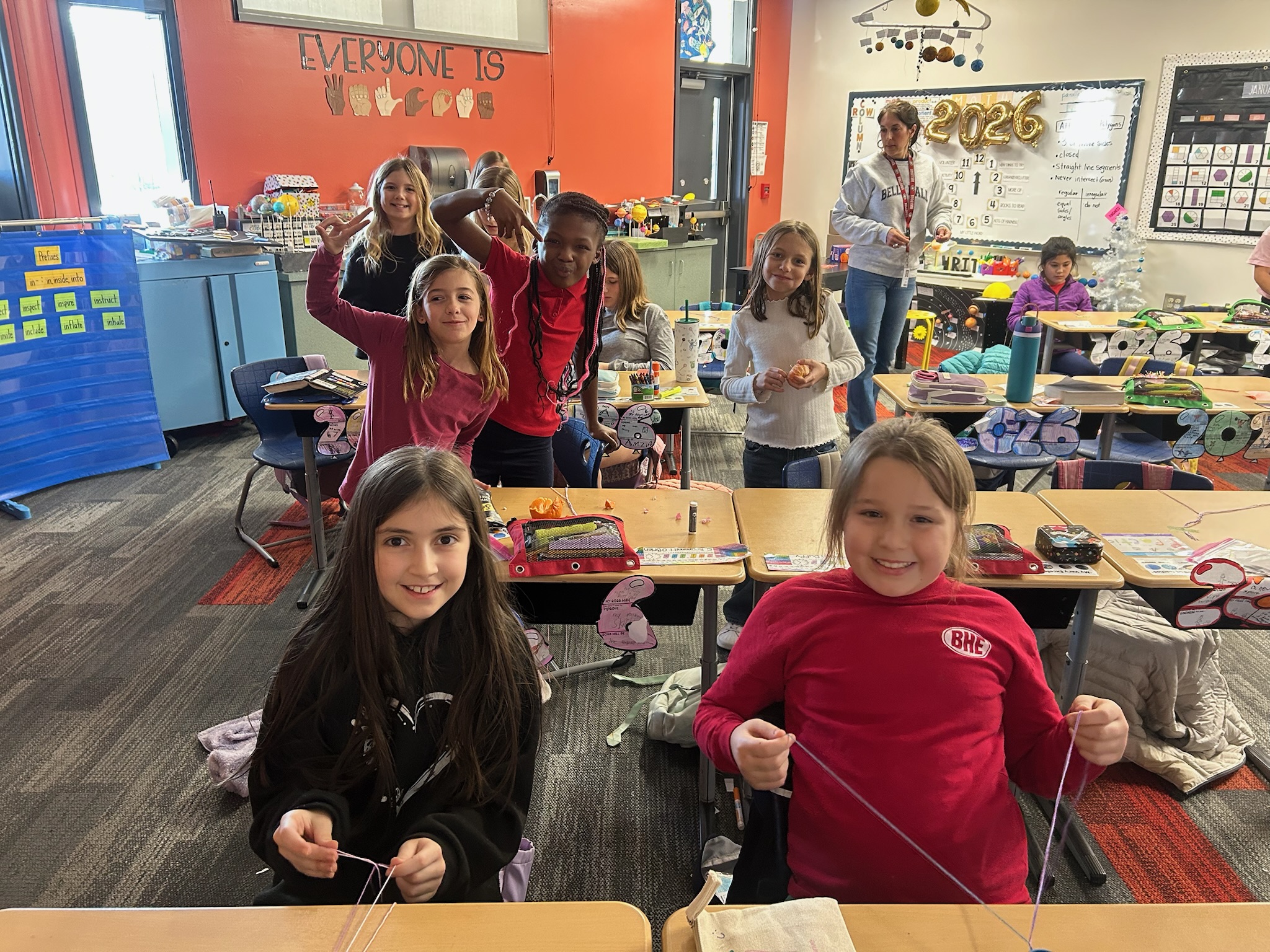
Why This Matters at School
When students get caught up in frustration, friendship conflicts, or disappointment, those experiences can affect how they participate, interact with classmates, and approach learning.
Practicing gratitude gives students another way to pause, recognize support, and consider what they want to do next.
It's one of the practical skills we teach through Rise because helping students develop perspective, strengthen relationships, and feel connected to their school community is part of creating an environment where they can engage and grow.
Sometimes, without realizing it, adults can turn gratitude into something children feel they need to answer correctly.
But the real practice is learning to notice what they appreciate, not coming up with an answer that impresses us.
And when we create opportunities for students to practice noticing the good without judgment, we're helping them develop a skill they can use far beyond the classroom.
The ripple effect starts with us
Here's the part I think we sometimes overlook.
We can teach a wonderful lesson about gratitude, but children are also learning from what they see us do every day.
When a teacher thanks a student for including someone, appreciates a coworker's help, or notices the effort a class put into something challenging, students get to experience what gratitude looks and feels like.
And those moments can influence how people connect with one another.
Of course, teachers are human. They have difficult days, too.
Which brings me to something I care deeply about.
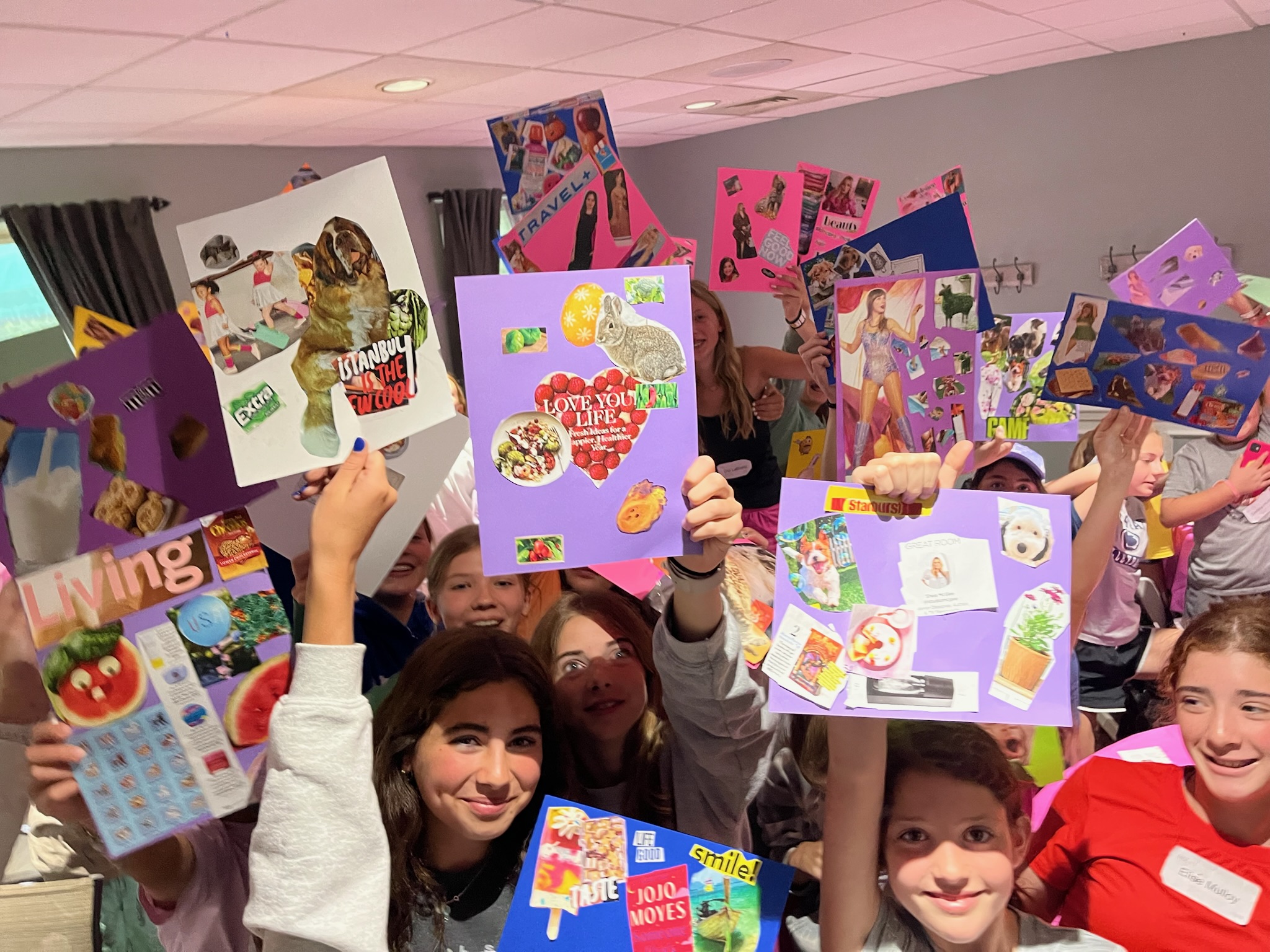
We need to care for the people caring for our kids
I know how much we're asking of educators.
They're balancing academic expectations, student relationships, emotional needs, family communication, and so many things that weren't always part of the job.
And the more complicated our world becomes, the more we're asking them to navigate.
I want educators to know how much we value what they do.
Sometimes the most meaningful thing we can offer a teacher isn't another strategy or another thing to add to the schedule.
It's appreciation. It's listening. It's asking what would actually help.
And it's remembering that educator well-being matters just as much as the student well-being we're working so hard to support.
Start small. Practice often
This is one of the things I love about gratitude. We don't have to make it complicated to make it meaningful.
At Rise, we focus on helping students turn important ideas like gratitude, confidence, connection, and healthy habits into things they can actually practice.
And November's Attitude of Gratitude theme is a perfect opportunity to start.
Not because gratitude solves every problem, but because it's a practical skill students can develop and use in everyday life.
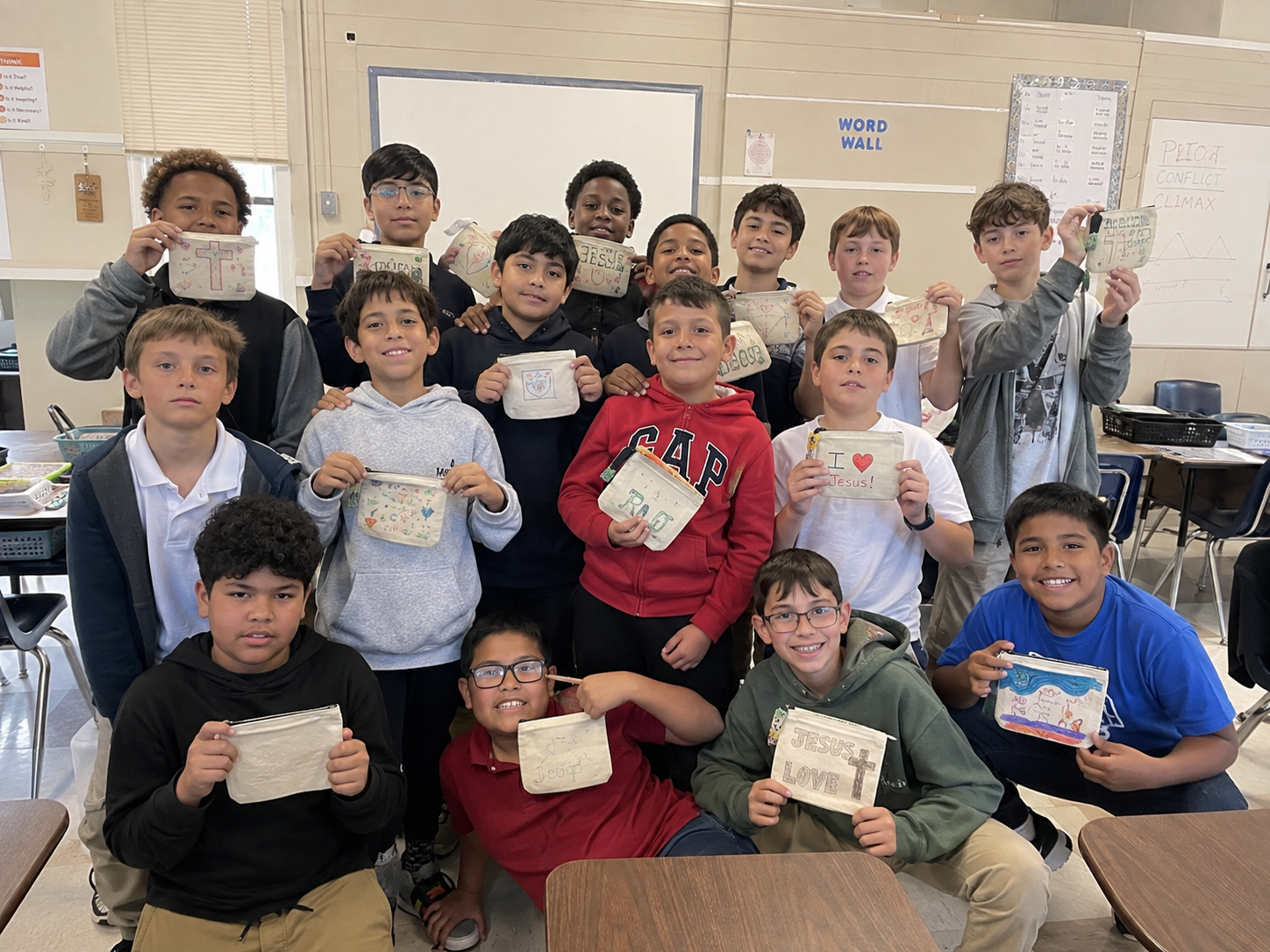
Try This: The 5-Minute Rise Gratitude Reset
This simple activity can work as a morning meeting, an afternoon reset, or a few minutes of reflection after a challenging moment.
1. Notice how you're feeling. (1 minute)
Invite students to check in with themselves.
Are they feeling excited, frustrated, tired, calm, or somewhere in between?
There isn't a right answer, and they don't have to share it aloud.
2. Notice something good. (2 minutes)
Ask students to think of or write down one to three things they genuinely appreciate right now.
It might be a person, an experience, something they're looking forward to, or a small moment from their day.
Let them choose what matters to them, without correcting or judging their answers.
3. Choose how you want to move forward. (2 minutes)
Invite students to check in with themselves again.
Do they notice any difference in how they feel? It's okay if they don't.
Then ask:
What's one small thing you can do to take care of yourself or someone else today?
Students might choose to thank someone, include a classmate, ask for help, or simply approach the next part of their day with a little more patience.
The goal isn't to make everyone happy in five minutes. It's to give students a chance to pause, notice, and practice a skill they can return to whenever they need it.
Bring It Into Your Classroom
One of the easiest ways to extend this practice is to model gratitude yourself.
Thank a student for their effort. Notice when someone helps a classmate. Tell your students something you appreciated about the way they worked together.
And remember that you can practice gratitude for yourself, too.
Maybe you appreciate a coworker who made your day easier, a conversation that went well, or simply getting through a particularly challenging afternoon.
Those moments count.
When we practice noticing and expressing gratitude, we create opportunities for students to experience appreciation, not just learn about it.
And sometimes, that's what changes the energy in the room.
